Why Oatmeal Is Good for Your Health: The Latest Research

Oct 25, 2024 By Olivia Reed

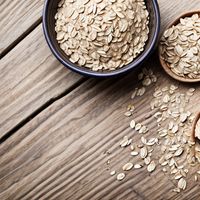
A comprehensive review conducted in 2015 revealed a compelling link between the consumption of whole grains, such as oats, and extended lifespans, irrespective of other dietary and lifestyle factors. Oats come in various forms, including instant, rolled, steel-cut, Scottish, and oat groats, each with its unique nutritional profile and health implications.


When comparing rolled oats to steel-cut oats, it's crucial to understand that the physical form of these grains can significantly influence how quickly carbohydrates are absorbed into the bloodstream. Rolled oats boast a lower glycemic index compared to instant oatmeal, which consists of thinner flakes that lead to reduced blood sugar and insulin spikes compared to powdered oats.


This variation in form can have distinct effects on our bodies, as demonstrated by a study where obese teenage boys who consumed instant oatmeal experienced a 53% increase in subsequent food intake over the next five hours, compared to those who ate steel-cut oatmeal. The instant oatmeal group began snacking within an hour and continued to consume more calories throughout the day, highlighting the impact of food form on satiety and overall caloric intake.


Focusing on the "holiest" of whole grains, which are the intact grains, we find that instant oats are superior to powdered oats, rolled oats are better than instant, steel-cut oats surpass rolled, and oat groats reign supreme. My recommended daily intake, in line with leading health authorities, includes a minimum of three servings of whole grains like oats, as part of the Daily Dozen.


Harvard University's extensive twin nutrition studies, encompassing the Nurses' Health Study and the Health Professionals Follow-Up Study, have amassed nearly three million person-years of data. A 2015 analysis from these studies indicated that individuals who incorporate more whole grains into their diets tend to live longer, independent of other measured dietary and lifestyle factors.


The benefits of a whole grain-rich diet are manifold. For instance, such a diet may offer similar advantages to hypertension medications without the adverse side effects often associated with these drugs, such as electrolyte imbalances, increased breast cancer risk, fatigue, impotence, and the potential for life-threatening swelling. Whole grains have been shown to reduce the risk of heart disease, type 2 diabetes, obesity, and stroke, potentially saving over a million lives globally each year.


It's important to note that while whole grains like oats, whole wheat, and brown rice can mitigate the risk of chronic diseases, refined grains may actually exacerbate these risks. Individuals who consume the highest amounts of whole grains experience a significantly slower progression of arterial narrowing in the coronary and carotid arteries, which are crucial for heart and brain health. Since atherosclerotic plaque is a leading cause of mortality, it's imperative to not only slow but also halt or reverse this process, and a diet rich in whole plant foods, including whole grains like oats, can be instrumental in achieving this.


Oatmeal has been proven to aid in weight management, as it helps to promote satiety for extended periods. In a study where participants were randomized into three breakfast groups—oatmeal made from quick oats, an equivalent caloric intake of Frosted Flakes, or just plain water—the researchers measured their lunch consumption three hours later. Those who had oatmeal for breakfast felt fuller and less hungry, resulting in a significantly reduced lunch intake. Overweight participants consumed less than half the calories at lunch after starting their day with oatmeal, compared to the corn flakes group, which ate as much as the water-only group.


The soluble fiber in oatmeal forms a gel in the stomach, which slows down stomach emptying and prolongs the feeling of fullness, thus supporting weight loss efforts. Additionally, the fiber in oatmeal can lower blood cholesterol levels, reducing the risk of plaque buildup in arteries. The presence of anti-inflammatory and antioxidant phytonutrients in oats can also prevent atherosclerotic buildup and help maintain arterial function.


In a double-blind, randomized trial involving overweight and obese individuals, nearly 90% of those who consumed real oatmeal experienced weight loss, along with a slimmer waistline, a 20-point decrease in cholesterol, and improved liver function, compared to the control group that saw no such benefits.



Recommend Posts
Food

The 6 Healthiest Heart-Friendly Options at McDonald's

By iuno001/Nov 28, 2024

In the fast-paced rhythm of modern life, fast food has become a ubiquitous solution for those seeking a quick meal on the go. While it's a common refrain that fast food is the antithesis of healthful eating, the truth is more nuanced. Especially in terms of heart health, not all fast food choices are equivalent to a nutritional desert. In fact, with a discerning eye and informed choices, it's possible to find heart-healthy options at the drive-thru that can support your cardiovascular health without sacrificing convenience.
Food

Best Time to Eat Breakfast for Managing High Cholesterol

By iuno001/Nov 28, 2024

It's a well-known notion that breakfast is paramount in our daily diet. Although there's some contention over its true significance, it's wise to make the most of your morning meal. For those aiming to reduce cholesterol levels and enhance cardiovascular health, breakfast is an excellent starting point. High cholesterol, which is often imperceptible, heightens the risk of heart disease and stroke, affecting nearly 25 million adults in the U.S. Fortunately, a heart-healthy diet can combat high cholesterol and decrease the risk of heart disease. Commencing your day with a nutritious breakfast can significantly contribute to maintaining optimal heart health. Studies have indicated that individuals who consume breakfast at least three times weekly have a substantially lower likelihood of developing heart disease.
Food

The Top Nutrient to Combat Metabolic Syndrome

By iuno001/Nov 28, 2024

Metabolic syndrome is a prevalent health issue affecting approximately one-third of adults in the United States, increasing the risk of coronary heart disease, diabetes, and stroke. Fortunately, this diagnosis is not set in stone; you can take proactive steps to manage and enhance your health. One particularly effective approach is to increase your intake of a specific nutrient. In this article, we will explore the nature of metabolic syndrome, identify the top nutrient that can aid in its improvement, and provide practical suggestions for incorporating more of this nutrient into your daily diet.
Food

The #1 Drink to Cut Down on to Lower Dementia Risk

By iuno001/Nov 28, 2024

In the silent war against dementia, a condition that affects approximately one in ten seniors over the age of 65, every battle counts. The heart-wrenching journey of witnessing a loved one's memory and cognitive faculties fade away prompts a reevaluation of our own dietary and lifestyle choices. My personal quest began with the observation of my grandmother's struggle, igniting a passion for understanding preventative measures. As scientific advancements illuminate the realm of brain health, we are gaining insights into how we might fortify our minds against the encroachment of dementia. One significant area of focus is our beverage choices, particularly what to avoid.
Food

7 Best Frozen Vegetables for Improved Cholesterol Levels

By iuno001/Nov 28, 2024

Managing elevated cholesterol levels can be achieved through minor dietary adjustments. Consuming an adequate amount of vegetables not only aids in reducing high cholesterol but can also prevent its onset. Contrary to popular belief, frozen vegetables are nutritionally equivalent to their fresh counterparts. Moreover, they are often more cost-effective and have a longer shelf life. Approximately 10% of U.S. adults suffer from high cholesterol, which increases the risk of heart disease and stroke.
Food

The Power of Plants: How a Plant-Based Diet Enhances Health and Well-Being

By David Anderson/Oct 25, 2024

Scientific evidence has demonstrated that adopting a diet rich in plant-based foods may significantly contribute to the prevention, management, or reversal of several major health issues, such as cardiovascular diseases, type 2 diabetes, and hypertension.
Food

Alcohol's Triple Threat: Mortality, Cancer, and Liver Disease—Understanding the Risks

By Daniel Scott/Oct 25, 2024

A groundbreaking series of articles published in the Journal of the American Medical Association, titled "Actual Causes of Death in the United States," revealed that in the year 2000, tobacco was the primary cause of death among Americans, with diet and lack of physical activity following closely behind. Surprisingly, alcohol ranked as the third leading cause of mortality. Approximately 50% of alcohol-related fatalities were attributed to sudden incidents such as motor vehicle accidents, while the other half resulted from more gradual causes, with alcoholic liver disease being the most prevalent. Excessive alcohol intake can lead to the buildup of fat in the liver, a condition known as fatty liver, which may trigger inflammation, cause liver scarring, and ultimately result in liver failure.
Food

The Double-Edged Brew: Weighing the Benefits and Risks of Coffee Consumption

By Lily Simpson/Oct 25, 2024

The Beverage Guidance Panel, a group of experts tasked with evaluating the health implications of different drink categories, has identified tea and coffee—ideally consumed without creamer or sweeteners—as the second healthiest beverages, only surpassed by water. Extensive research has demonstrated numerous potential health advantages associated with coffee consumption. For instance, individuals suffering from hepatitis C may experience reduced DNA damage, enhanced clearance of virus-infected cells, and a slower progression of scarring when they drink coffee. These benefits could account for coffee's observed role in decreasing the risk of liver disease progression.
Food

The Fruit That's Surprisingly High in Protein

By Noah Bell/Oct 25, 2024

While fruits are widely recognized for their health benefits, their protein content is often overlooked. Although they may not rival the protein density of meats, eggs, or legumes, fruits do contribute a modest amount of this vital nutrient. Integrating more fruits into your diet can thus enhance your overall protein intake and provide a wealth of other health advantages. Michelle Routhenstein, MS, RD, a preventive cardiology dietitian at EntirelyNourished.com, emphasizes that "fruits offer a variety of antioxidants and flavanols unique to many of them, which can reduce inflammation and protect various aspects of our health, from the heart and immune system to individual cells."
Food

Revolutionizing Health: The Lifesaving Potential of Nuts and Seeds in Global Diets

By William Miller/Oct 25, 2024

The Global Burden of Disease Study represents the most extensive and meticulous examination of mortality causes to date. It engaged the efforts of nearly 500 researchers hailing from over 300 institutions across 50 countries, delving into nearly 100,000 data sources. The study identified specific foods that, when incorporated into one's diet, could potentially save lives.
Food

From Pestilence to Diabetes: The Chronicle of Shifting Health Threats and the Role of Modern Diet

By Lily Simpson/Oct 25, 2024

The role of sugar in this public health crisis cannot be understated. Sugar, particularly in the form of added sugars, has been linked to a myriad of health issues, including obesity, type 2 diabetes, heart disease, and liver disease. The rapid increase in sugar consumption over the past few centuries has paralleled the rise in these chronic diseases, suggesting a strong correlation.
Food

Why Oatmeal Is Good for Your Health: The Latest Research

By Olivia Reed/Oct 25, 2024

A comprehensive review conducted in 2015 revealed a compelling link between the consumption of whole grains, such as oats, and extended lifespans, irrespective of other dietary and lifestyle factors. Oats come in various forms, including instant, rolled, steel-cut, Scottish, and oat groats, each with its unique nutritional profile and health implications.
Food

Are Eggs Truly Healthy?

By Sarah Davis/Oct 25, 2024

For many years, eggs have been celebrated as a nutritious source of protein, but recent findings suggest that their consumption may be associated with a range of significant health risks. According to documents obtained through the Freedom of Information Act, the U.S. Department of Agriculture cautioned the egg industry against making claims that eggs are nutritious or safe, as these could be considered false and misleading advertisements.
Food

An In-Depth Examination of Milk Consumption and Its Impacts

By Olivia Reed/Oct 25, 2024

Is milk truly the elixir of health that it's often touted to be? A comprehensive population study titled "Milk Intake and Risk of Mortality and Fractures in Women and Men" has cast doubt on this long-held belief. Over two decades, researchers in Sweden monitored the dietary habits of more than 100,000 individuals and discovered a concerning trend: women who consumed higher amounts of milk experienced a significantly increased risk of bone and hip fractures, heart disease, cancer, and an overall higher likelihood of premature death. Astonishingly, those who drank three glasses of milk daily had nearly double the risk of an early demise. Men with a similar milk intake also showed a heightened risk of dying young.
Food

Is Fish Really Healthy? Balancing Nutrition, Pollution, and Sustainable Choices

By Emily Johnson/Oct 25, 2024

Is fish considered a healthy food option? The answer to this question depends on the comparison. When juxtaposed with the most nutritious foods, such as fruits, vegetables, legumes, and whole grains, fish tend to have lower levels of antioxidants and phytonutrients. They also lack fiber and contain cholesterol and saturated animal fats. Studies have shown that a diet rich in whole plant-based foods is linked to longer telomeres, which are the protective caps at the end of our chromosomes that prevent DNA from deteriorating. Conversely, diets high in refined grains, sugary drinks, dairy products, and meats, including fish, have been associated with shorter telomeres, indicating cellular aging. Unless one could travel back in time before the Industrial Revolution, fish will continue to be a significant source of toxic pollutants.
Food

Healthy Baked Chicken Recipes to Have on Hand

By Samuel Cooper/Oct 17, 2024

Chicken is a versatile and quick-cooking protein source, making it an ideal base for simple, healthy, and fast weeknight meals. Baking is a convenient, hands-off cooking method that is perfect for this purpose. Many baked chicken recipes are also easy to prepare in advance, making them ideal for meal prepping. While lean chicken breast is a popular choice for baking, all cuts of chicken work well with this cooking method. Dark meat, such as chicken thighs and drumsticks, are also rich in protein, iron, and heart-healthy polyunsaturated fats. From chicken and rice dishes to cheese-topped chicken Parmesan, there is a wide variety of options for an easy, healthy meal that you'll want to incorporate into your regular rotation.
Food

How Waffles Evolved from an Ancient Roman Delicacy to One of the World's Most Popular Treats

By Thomas Roberts/Oct 16, 2024

Waffles, a delectable treat made from leavened batter or dough, are cooked between two patterned plates and are believed to be among the oldest desserts in existence. These delightful snacks, often adorned with honey, whipped cream, syrup, or jam, are perfect for breakfast or a quick bite, sometimes enjoyed on the go.
Food

The Finest Pizza of 2024 Isn't in Naples or Italy—Here's Where You'll Find It

By Benjamin Evans/Oct 16, 2024

New York City's reputation for having the finest pizza is well-known, and now they have further evidence to support this claim. Recently, the Italy-based 50 Top Pizza Awards unveiled its 2024 global rankings, with a Lower East Side pizzeria taking the top spot.
Food

Study Links Ultraprocessed Foods to Higher Type 2 Diabetes Risk

By Benjamin Evans/Oct 15, 2024

New Research Ties Ultraprocessed Foods to Higher Type 2 Diabetes Risk
Food

Green Tea vs. Coffee: Experts Compare Health Benefits

By Daniel Scott/Oct 15, 2024

The Great Debate: Green Tea vs. Coffee—Which Is Healthier?