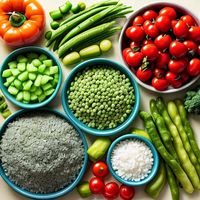
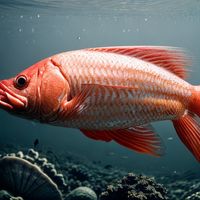
Is fish considered a healthy food option? The answer to this question depends on the comparison. When juxtaposed with the most nutritious foods, such as fruits, vegetables, legumes, and whole grains, fish tend to have lower levels of antioxidants and phytonutrients. They also lack fiber and contain cholesterol and saturated animal fats. Studies have shown that a diet rich in whole plant-based foods is linked to longer telomeres, which are the protective caps at the end of our chromosomes that prevent DNA from deteriorating.
Conversely, diets high in refined grains, sugary drinks, dairy products, and meats, including fish, have been associated with shorter telomeres, indicating cellular aging. Unless one could travel back in time before the Industrial Revolution, fish will continue to be a significant source of toxic pollutants.
In 2012, an analysis of the diets of children aged two to seven was published. It is believed that children are particularly susceptible to dietary chemicals due to their rapid growth, which results in a higher relative intake of food and fluids compared to their body weight. The study found that the levels of chemicals and heavy metals in children's bodies exceeded safety thresholds more significantly than in adults. For instance, cancer risk ratios were exceeded by a factor of up to 100 times or more. In the case of each child studied, benchmark levels were surpassed for arsenic, the banned pesticide dieldrin, and highly toxic industrial by-products known as dioxins. The levels were also too high for DDE, a by-product of DDT.
Which foods were the primary contributors of heavy metals? Poultry was the leading source of arsenic among preschoolers, and tuna for their parents. Dairy was the top source for lead, while seafood was the primary source of mercury. Consuming just one serving of fish per week during pregnancy can result in more mercury in the infant's body than injecting them with approximately a dozen mercury-containing vaccines.
Where are these pollutants found in the food supply? Today, most DDT originates from meat, especially fish. It appears that the oceans have become humanity's dumping ground, with everything eventually ending up in the sea. This is also true for dietary exposure to PCBs, another set of banned chemicals. A study examining over 12,000 food and feed samples across 18 countries revealed that the highest PCB contamination was in fish and fish oil, followed by eggs, dairy, and then other meats. The lowest contamination was found at the base of the food chain, in plants.
Hexachlorobenzene, a pesticide banned nearly five decades ago, is now primarily found in dairy and meat, including fish. Perfluorochemicals, or PFCs, are overwhelmingly found in fish and other meats. The contaminants in fish may help explain studies that have shown a link between fish consumption and diabetes. To minimize our exposure to pollutants, it is advisable to consume foods as low on the food chain as possible.
While fish can be a source of essential nutrients like omega-3 fatty acids, the presence of pollutants raises concerns about their overall health benefits. The decision to include fish in one's diet should be weighed against the potential risks associated with the consumption of these contaminants. It is crucial to consider the source of the fish, the species, and the frequency of consumption to mitigate the risks while still benefiting from the nutritional value that fish can provide.
Furthermore, the impact of fish consumption on the environment should not be overlooked. Overfishing and the degradation of marine ecosystems can lead to a decline in fish populations and a reduction in the quality of the fish available for consumption. Sustainable fishing practices and the promotion of plant-based diets can help address these environmental concerns while still meeting nutritional needs.
Education and awareness about the potential health risks and environmental impacts of fish consumption are essential. Consumers should be informed about the sources of their fish, the potential contaminants, and the alternatives available to them. This knowledge can empower individuals to make informed decisions about their diet and contribute to a healthier and more sustainable food system.
In conclusion, while fish can be part of a healthy diet, it is important to consider the potential drawbacks associated with the consumption of pollutants. By choosing fish from sustainable sources, consuming a variety of foods, and incorporating more plant-based options into our diets, we can enjoy the benefits of fish while minimizing the risks. It is through a balanced and informed approach to our dietary choices that we can promote both personal health and environmental sustainability.

By iuno001/Nov 28, 2024

By iuno001/Nov 28, 2024

By iuno001/Nov 28, 2024

By iuno001/Nov 28, 2024
By iuno001/Nov 28, 2024

By David Anderson/Oct 25, 2024

By Daniel Scott/Oct 25, 2024

By Lily Simpson/Oct 25, 2024

By Noah Bell/Oct 25, 2024

By William Miller/Oct 25, 2024

By Lily Simpson/Oct 25, 2024
By Olivia Reed/Oct 25, 2024

By Sarah Davis/Oct 25, 2024

By Olivia Reed/Oct 25, 2024
By Emily Johnson/Oct 25, 2024

By Samuel Cooper/Oct 17, 2024

By Thomas Roberts/Oct 16, 2024

By Benjamin Evans/Oct 16, 2024

By Benjamin Evans/Oct 15, 2024

By Daniel Scott/Oct 15, 2024