It's a well-known notion that breakfast is paramount in our daily diet. Although there's some contention over its true significance, it's wise to make the most of your morning meal. For those aiming to reduce cholesterol levels and enhance cardiovascular health, breakfast is an excellent starting point. High cholesterol, which is often imperceptible, heightens the risk of heart disease and stroke, affecting nearly 25 million adults in the U.S.
Fortunately, a heart-healthy diet can combat high cholesterol and decrease the risk of heart disease. Commencing your day with a nutritious breakfast can significantly contribute to maintaining optimal heart health. Studies have indicated that individuals who consume breakfast at least three times weekly have a substantially lower likelihood of developing heart disease.
The question arises, does the timing of your breakfast matter? Is it preferable to eat immediately upon waking, or is it okay to have a cup or two of coffee first? We sought the opinions of dietitians on this matter. Continue reading to discover their recommendations for the optimal time to consume your first meal of the day. When it comes to scheduling your breakfast for cholesterol management, the general agreement is that earlier is better.
"A balanced breakfast sets the tone for a heart-healthy day," says Veronica Rouse, RD, CDE, a dietitian with expertise in cardiovascular nutrition. "I suggest having breakfast within two hours post-waking to aid in cholesterol management." Lisa Andrews, M.Ed., RD, LD, a dietitian and founder of Sound Bites Nutrition, concurs, citing research that links skipping breakfast to increased levels of harmful LDL cholesterol. While there might be some flexibility within the two-hour window, it serves as a useful guideline.
The earlier you enjoy your breakfast in the morning, the less likely you are to skip it amidst the morning rush. Why is this important? "Many clients who skip breakfast often end up overeating later in the day," Rouse explains. "Starting the day with a nutritious meal helps to curb hunger, reducing the chance of indulging in less-healthy options later on." Of course, not everyone has the time to prepare breakfast. For those who struggle to find time to assemble a morning meal, consider these heart-healthy, make-ahead breakfast options to fuel your day.
The advantages of incorporating a wholesome breakfast into your morning regimen are manifold. Not only does it provide a nutrient-rich start to your day, but regularly consuming a nutritious breakfast may also lower your risk of developing diabetes, hypertension, obesity, heart disease, stroke, and more. How exactly does a nutritious breakfast improve heart health and reduce cholesterol?
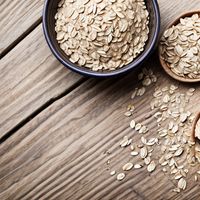
"Fruit, often part of breakfast, is a rich source of vitamins, minerals, phytochemicals, and fiber," Andrews notes. "Whole-grain toast or cereal offers B vitamins, which may assist in lowering homocysteine levels and the risk of heart disease. Rolled oats are known to reduce serum cholesterol as well." For additional cholesterol-lowering benefits, Rouse advises incorporating more plant-based foods into your morning diet.
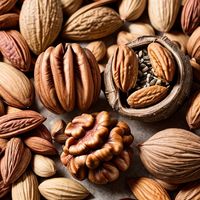
Fruits, vegetables, nuts, seeds, and whole grains supply nutrients such as soluble fiber, unsaturated fats, plant sterols, and plant protein, which are particularly beneficial for managing high cholesterol, she says. These foods are also often low in saturated fats, which are associated with elevated LDL cholesterol levels. Concurrently, it's important to avoid high-sugar items like doughnuts and pastries. While it's not clear if their sugar content directly raises cholesterol, these items often contain saturated fats that can increase cholesterol levels. If you're in need of cholesterol-lowering breakfast ideas, consider our Pumpkin-Date Overnight Oats for a meal-prep option rich in our top food for lowering cholesterol. Alternatively, for a savory choice, try this Sweet Potato, Corn & Black Bean Hash, which boasts an impressive 15 grams of fiber per serving.
Beyond a balanced, high-fiber breakfast, these strategies can also help maintain healthy cholesterol levels:
In conclusion, the earlier you consume breakfast in the morning, the more beneficial it is for your cholesterol levels and overall heart health. Therefore, aim to eat breakfast within two hours of waking up. This practice will not only reduce the likelihood of skipping breakfast but also provide additional benefits such as fewer cravings, improved mood, and increased energy. Begin your day with breakfast options rich in fiber, healthy fats, and protein, yet low in added sugars. By doing so, you'll not only keep your heart in optimal condition but also set the stage for making healthier choices throughout the day!

By iuno001/Nov 28, 2024

By iuno001/Nov 28, 2024

By iuno001/Nov 28, 2024

By iuno001/Nov 28, 2024

By iuno001/Nov 28, 2024

By David Anderson/Oct 25, 2024

By Daniel Scott/Oct 25, 2024

By Lily Simpson/Oct 25, 2024

By Noah Bell/Oct 25, 2024
By William Miller/Oct 25, 2024

By Lily Simpson/Oct 25, 2024
By Olivia Reed/Oct 25, 2024

By Sarah Davis/Oct 25, 2024

By Olivia Reed/Oct 25, 2024

By Emily Johnson/Oct 25, 2024

By Samuel Cooper/Oct 17, 2024

By Thomas Roberts/Oct 16, 2024

By Benjamin Evans/Oct 16, 2024

By Benjamin Evans/Oct 15, 2024

By Daniel Scott/Oct 15, 2024