Managing elevated cholesterol levels can be achieved through minor dietary adjustments. Consuming an adequate amount of vegetables not only aids in reducing high cholesterol but can also prevent its onset. Contrary to popular belief, frozen vegetables are nutritionally equivalent to their fresh counterparts. Moreover, they are often more cost-effective and have a longer shelf life.
Approximately 10% of U.S. adults suffer from high cholesterol, which increases the risk of heart disease and stroke. In consultation with registered dietitians and by reviewing recent studies, we present the top seven frozen vegetables that can help lower cholesterol levels.
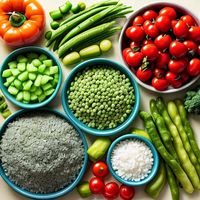
2.Green Peas: Green peas contain 7 grams of cholesterol-lowering fiber per cup and are another source of plant-based protein, offering 8 grams of protein per cup. "Increased consumption of plant-based proteins has been shown to benefit cholesterol levels, as they tend to have lower saturated fat content," notes Patricia Kolesa, M.S., RDN, founder of Dietitian Dish LLC. Replacing some animal proteins, such as beef, sausage, bacon, and deli meat, with peas can help decrease your overall saturated fat intake. Excessive saturated fat consumption is linked to elevated levels of LDL cholesterol, often referred to as "bad" cholesterol. Kolesa suggests incorporating frozen green peas into pasta dishes, casseroles, stir-fries, soups, or as a side dish. For inspiration, consider recipes like Pea Soup or Skillet Tuna Noodle Casserole.
3. Spinach: Frozen spinach is densely packed with fiber, vitamins, minerals, and antioxidants that support heart health. "Spinach is high in insoluble fiber and can help lower LDL cholesterol levels. As a plant-based source of iron and protein, it also provides calcium, vitamin C, and various antioxidants for overall health," says Daria Zajac, RD, LDN, at The Polish Dietitian. This leafy green is particularly rich in antioxidants, including lutein. "Spinach is abundant in lutein, an antioxidant known to reduce inflammation. Studies suggest that lutein may aid in preventing cholesterol oxidation, which could prevent cholesterol from adhering to artery walls," adds Vandana Sheth, RDN, CDCES, FAND, a registered dietitian nutritionist and plant-based and diabetes expert. Research indicates that a higher intake of dark leafy greens, such as spinach, is associated with a reduced risk of cardiovascular disease. Zajac recommends adding spinach to stews, soups, or morning eggs, and it also makes a great addition to morning smoothies.
4. Cauliflower: Cauliflower is another frozen vegetable worth considering for its heart-healthy fiber and absence of saturated fat. Heidi McIndoo, M.S., RD, the FoodieMomRD, endorses it for these qualities. Each cup of frozen cauliflower contains 3 grams of fiber, which is 10% of the Daily Value. McIndoo suggests, "It's delicious roasted with a touch of olive oil and kosher salt, or dressed up with a drizzle of Buffalo sauce before baking. You can also puree it after steaming to replace some or all of the cream in cream-based soups and sauces like potato soup or fettuccini Alfredo." For a tasty variation, try our Roasted Buffalo Cauliflower recipe.
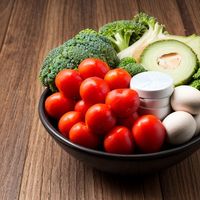
5. Broccoli: Like the other vegetables on this list, broccoli is rich in fiber and micronutrients. What sets it apart is its glucosinolate content, particularly sulforaphane. "Research indicates that sulforaphane may help reduce oxidative stress and inflammation, both of which are crucial for heart health," says Sheth. A small study found that consuming about 1 cup of broccoli daily increased HDL cholesterol (the "good" cholesterol) by 7.6% in female participants and reduced total cholesterol by 10% in male participants. Frozen broccoli can be incorporated into a variety of dishes, from ramen noodles to mac and cheese to casseroles.
5. Brussels Sprouts: Each cup of Brussels sprouts contains 2 grams of soluble fiber, which is particularly effective at lowering cholesterol. Brussels sprouts are also rich in antioxidants and phytochemicals that may offer additional cholesterol-related benefits. "Brussels sprouts contain plant compounds, including kaempferol, which has both antioxidant and anti-inflammatory properties. Kaempferol has been associated with promoting heart health and lowering cholesterol levels," says Sheth. A 2022 study in Phytotherapy Research found that increased consumption of brassica vegetables, such as Brussels sprouts, is linked to significantly reduced total cholesterol levels. Roasting is one of the best ways to enjoy Brussels sprouts, and there are numerous recipes available to inspire you.
7. Mushrooms: These earthy vegetables are versatile, easy to add to pasta dishes, pizza, or sauté on their own. They also offer unique benefits for cholesterol management. "Mushrooms contain beta-glucans, a type of soluble fiber that helps reduce cholesterol by binding to cholesterol-rich bile acids and removing them from the body," says Lauren Manaker, M.S., RDN, LD, a registered dietitian based in Charleston, South Carolina. "Some studies suggest that certain varieties, like shiitake mushrooms, contain compounds that can further enhance cholesterol metabolism and promote heart health," adds Manaker. Other varieties that have been shown to benefit cholesterol include enoki mushrooms, reishi mushrooms, and portobello mushrooms.
Besides incorporating these frozen vegetables into your diet, there are additional strategies to improve cholesterol levels:
In conclusion, frozen vegetables are just as nutritious as fresh ones and are more affordable and less perishable. Therefore, there's no reason not to stock up on frozen vegetables. If you're managing high cholesterol, consider making room for these seven varieties in particular. They are rich in fiber, antioxidants, and plant compounds that can help lower cholesterol and protect heart health. Plus, they can be incorporated into a wide range of dishes, from smoothies to casseroles to pasta dishes and beyond.
By iuno001/Nov 28, 2024

By iuno001/Nov 28, 2024
By iuno001/Nov 28, 2024

By iuno001/Nov 28, 2024
By iuno001/Nov 28, 2024
By David Anderson/Oct 25, 2024

By Daniel Scott/Oct 25, 2024

By Lily Simpson/Oct 25, 2024
By Noah Bell/Oct 25, 2024
By William Miller/Oct 25, 2024
By Lily Simpson/Oct 25, 2024
By Olivia Reed/Oct 25, 2024
By Sarah Davis/Oct 25, 2024
By Olivia Reed/Oct 25, 2024

By Emily Johnson/Oct 25, 2024
By Samuel Cooper/Oct 17, 2024

By Thomas Roberts/Oct 16, 2024

By Benjamin Evans/Oct 16, 2024

By Benjamin Evans/Oct 15, 2024

By Daniel Scott/Oct 15, 2024